OUR PROGRAMS

PEACE PAGES

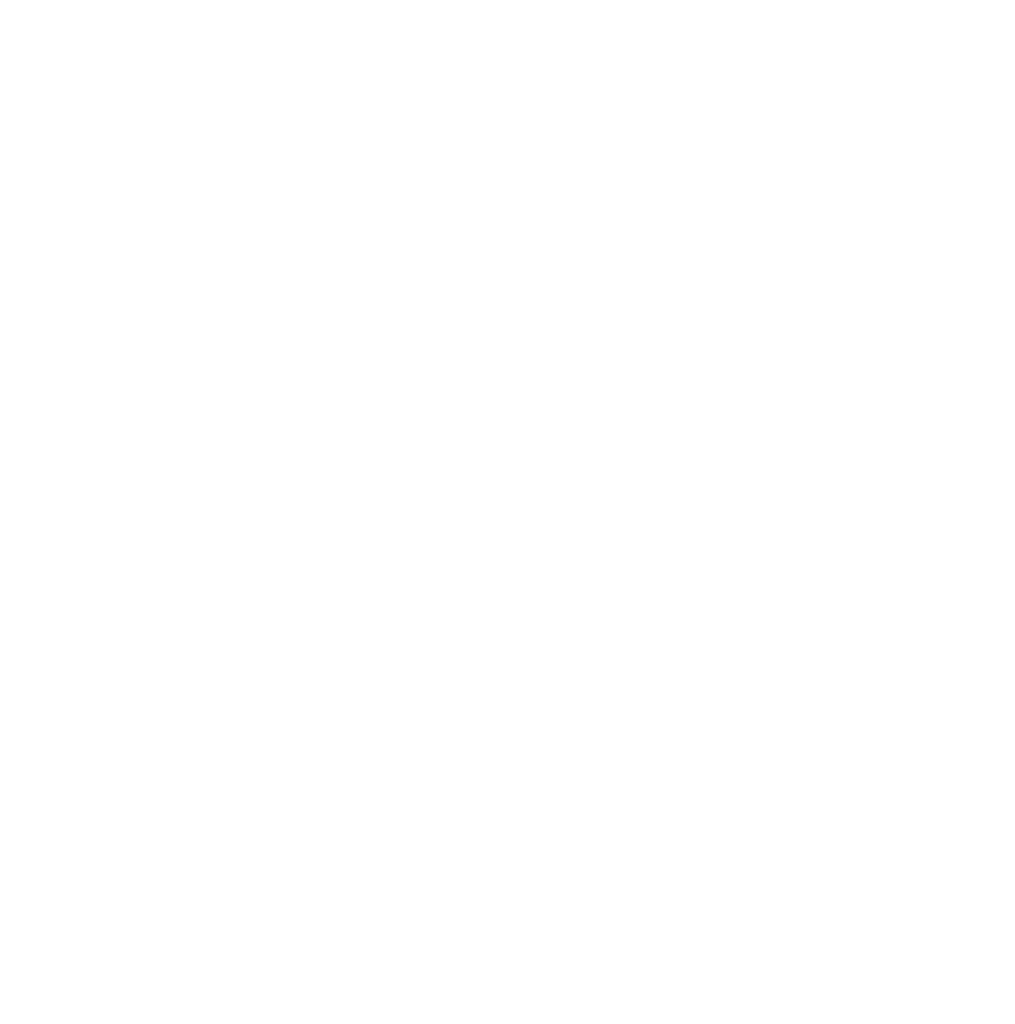
Peace Pages is a youth-led peace education initiative that equipped 19 young people to become published authors and certified peace ambassadors. Through partnership with Korean youth volunteers from GCS KOICA, participants co-authored two peace education books: a picture book teaching children conflict resolution skills and an essay collection sharing personal stories of overcoming adversity and building peace in Rwanda.

The program enhanced participants understanding of peacebuilding, strengthened their confidence, and provided foundational writing skills. Through multiple book readings reaching 250 attendees, the initiative generated strong community support, with several individuals making voluntary donations to print additional copies. The final book reading and official launch was held at Kigali Public Library. The books have since been adopted by schools across Rwanda for peace education curricula and distributed to partner organizations. All 19 participants remain active peace ambassadors, continuing collaboration with Rwanda We Want on peacebuilding initiatives.
PEACE ART CLUB

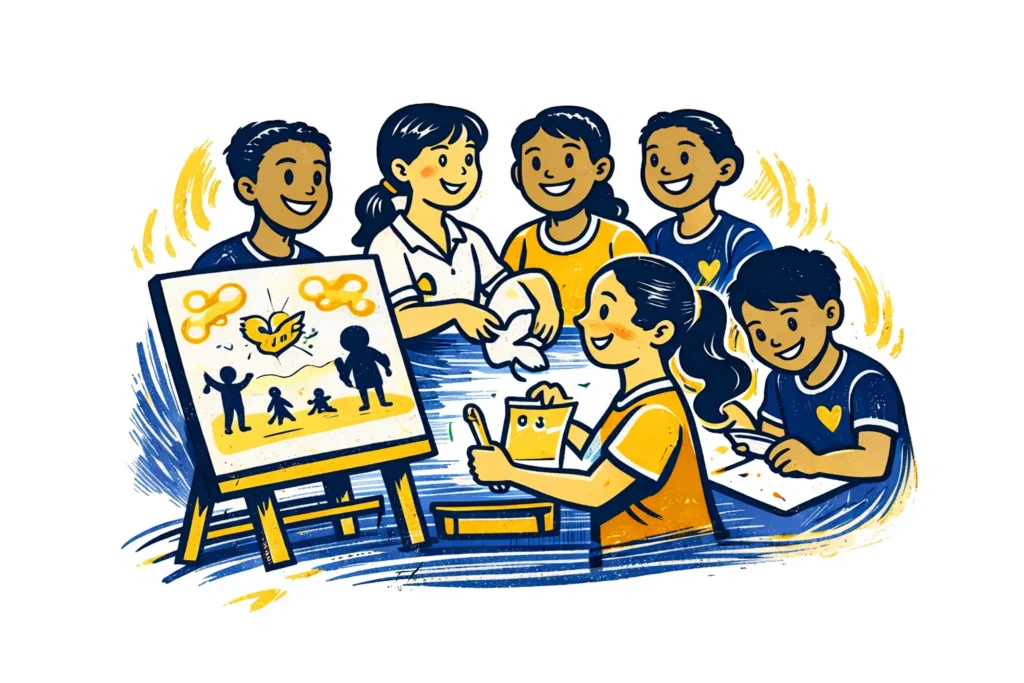
Peace Art Club engaged 60 upper primary students (P4-P6) in nurturing their artistic talents while introducing them to peacebuilding concepts and how art can be used as a tool to promote peace. Through hands-on training in painting, drawing, sculpture, and storytelling through art, students developed both creative skills and a deeper understanding of peace.
The program enhanced participants understanding of peacebuilding, strengthened their confidence, and provided foundational writing skills. Through multiple book readings reaching 250 attendees, the initiative generated strong community support, with several individuals making voluntary donations to print additional copies. The final book reading and official launch was held at Kigali Public Library.
Peace Art Club engaged 60 upper primary students (P4-P6) in nurturing their artistic talents while introducing them to peacebuilding concepts and how art can be used as a tool to promote peace. Through hands-on training in painting, drawing, sculpture, and storytelling through art, students developed both creative skills and a deeper understanding of peace.
The program enhanced participants confidence and peace awareness, with all students continuing to create peace-themed art beyond the program. The initiative culminated in a three-month exhibition festival attended by 120 people, including Korean volunteers, school leadership, and fellow students. The exhibition successfully conveyed the message of peace through art, with student artworks now being utilized in schools for peace education. Rwanda We Want maintains an ongoing partnership with the school for future peacebuilding activities.

TUBIVUGEHO

TUBIVUGEHO (“Let’s talk about it”) was a youth-led sexual and reproductive health (SRH) program implemented from 2020 to 2023 in partnership with USAID Ingobyi Activity across five districts: Ngoma, Muhanga, Nyanza, Gatsibo, and Rutsiro.

The project trained over 1,200 youth peer educators, who went on to reach more than 20,000 young people through open, youth-friendly conversations on SRH. These discussions focused on breaking silence, correcting misinformation, and helping youth understand where and how to access SRH services safely.

To extend its reach, TUBIVUGEHO developed gamified SRH learning videos that were distributed to 325 health centers, where they continue to be used, and shared online, generating over 10,000 views. Following the program, health centers reported increased youth visits for SRH services, alongside improved openness, reduced risky behavior, and more young people actively seeking accurate information.
BIRASHOBOKA

BIRASHOBOKA (“It is possible”) was a leadership and mentorship program designed for high school graduates. Implemented over four cohorts, the program reached 80+ young people, supporting them to build confidence, leadership skills, and strong communication and decision-making abilities as they transitioned into adulthood.
After the program, most participants progressed to university education, while nearly 10% started their own initiatives, including NGOs and small businesses. Around 20% became involved in community leadership and volunteering, applying what they had learned beyond the classroom.
 Mentorship relationships formed during the program continued after completion, with alumni receiving guidance as they developed their ideas and navigated the civil society space.
One such example is Sibomana Emmanuel, who joined BIRASHOBOKA with an early idea for a community initiative. After completing the program, he returned as a facilitator for subsequent cohorts, gaining practical experience in leadership and organizational work. Over time, this led to the creation of his own organization, reflecting the program’s role in helping young people move from ideas to real-world action.

Multi-Family Healing Spaces

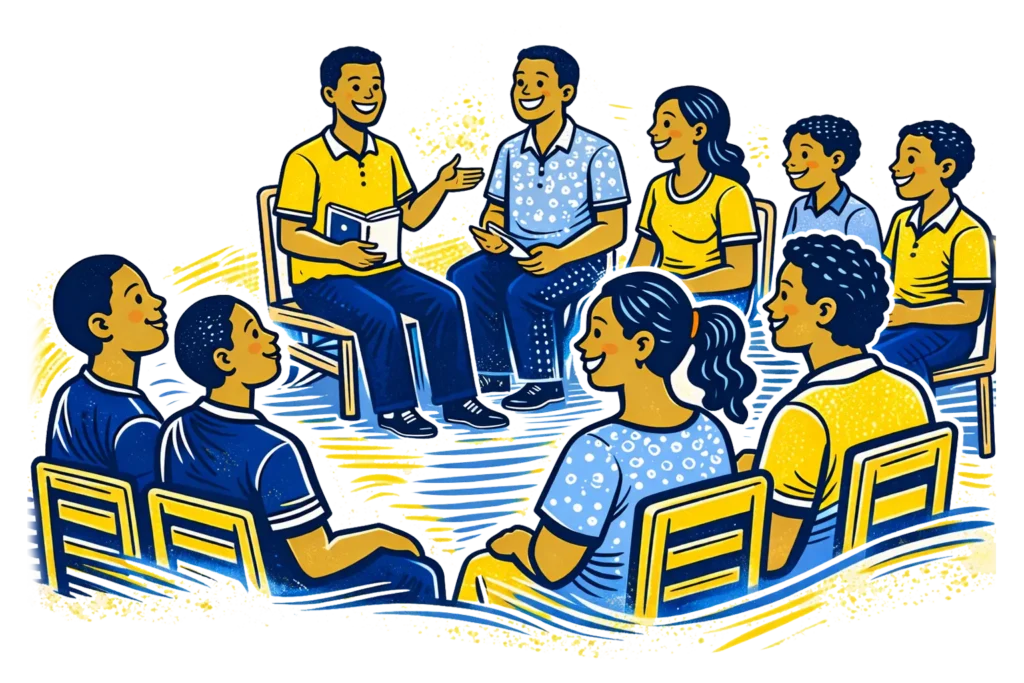
Multi-Family Healing Spaces was a group-based healing program implemented in Bugesera District in partnership with Interpeace from June to August 2022. The program brought together 28 families across six cells who shared experiences of genocide-related trauma and its intergenerational effects.

Through guided dialogue and psychoeducation, families began addressing long-standing silence, fear, and unresolved pain. Parents and youth who had never spoken openly about their history were able to share their stories, improving communication and rebuilding trust within families.

Participants reported stronger relationships, emotional relief, and a renewed sense of responsibility toward healing and reconciliation. Several groups committed to continuing regular meetings after the program, carrying forward the conversations and skills gained beyond the formal sessions.
NDASHOBYE

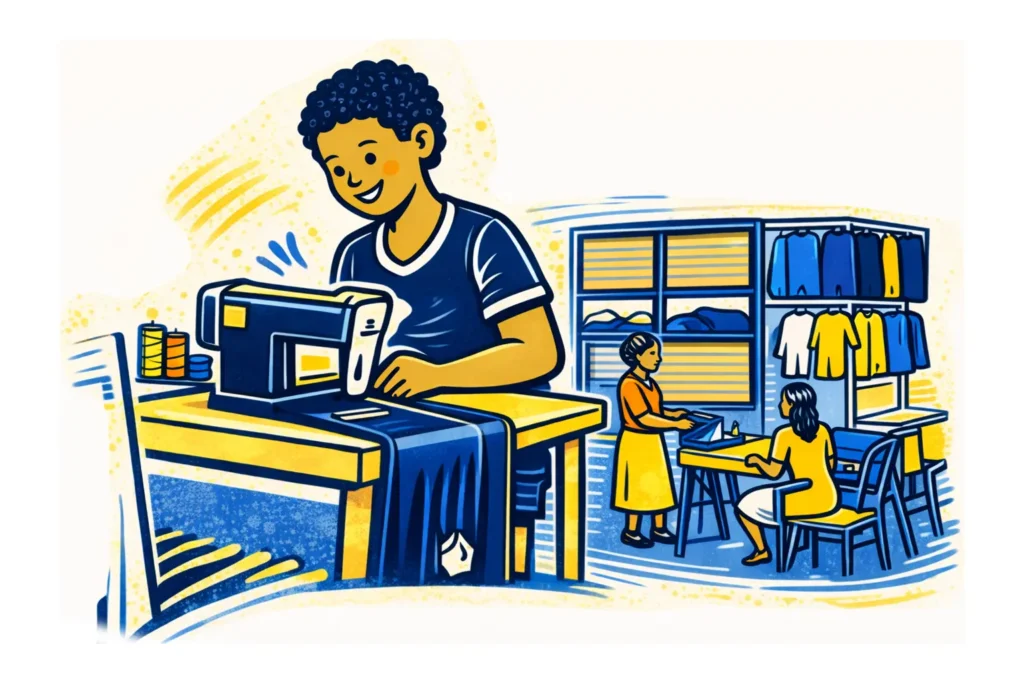
NDASHOBYE (“I Can”) was a one-year economic empowerment project implemented in Muhanga District, supporting marginalized and vulnerable teen mothers to rebuild their lives and provide for their children.
The project worked with 28 teen mothers, beginning with intensive mental health, psychosocial support, and sexual and reproductive health education. Many participants had been rejected by their families and communities, and some were at risk of survival-based exploitation. Counseling helped restore confidence, improve decision-making, and reconnect participants to available health and social services.
Participants then received nine months of vocational training in tailoring, combined with cooperative and savings skills, followed by three months of real-world internship in active marketplaces. Upon graduation, they received tailoring tools and certification. Today, nearly all graduates generate regular income either working in the market or running small tailoring businesses within their communities enabling them to support their children and regain social standing.
One such example is Gloria, a young mother who was at risk of being forced onto the streets. Through NDASHOBYE, she gained psychosocial support, vocational skills, and stable income, allowing her to care for her children and rebuild her life with dignity.

IWACU

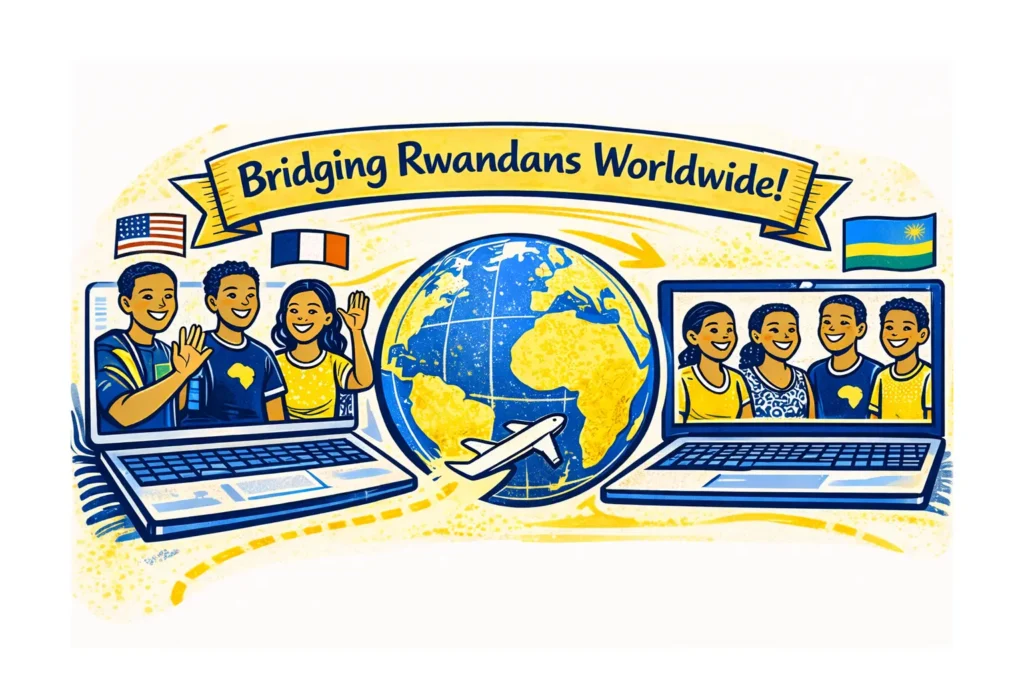
This program connects Rwandan youth living abroad with youth in Rwanda to strengthen cultural identity, knowledge sharing, and collaboration. Through cross-cultural exchange and partnership building, IWACU fosters global solidarity while maintaining strong connections to Rwandan heritage and values.
Be Part of Empowering Young Leaders

Our Partners